 GET A FREE RENTAL ANALYSIS
 OFFICE LINE: 702-798-6565


21 May What Exactly is “Normal Wear and Tear”?
Key Takeaways
- Normal wear and tear refers to expected aging from everyday use, while tenant damage results from misuse, neglect, or carelessness.
- Common examples of normal wear include faded paint, minor carpet wear, loose fixtures, and small appliance scuffs.
- Damage such as large wall holes, stained carpets, broken windows, or deep floor scratches can justify security deposit deductions.
- Detailed inspections, photos, and regular maintenance help landlords avoid disputes and protect their rental investment.
Understanding the difference between normal wear and tenant damage is about protecting your investment and avoiding disputes.
If you’re a rental property owner in Las Vegas, NV, USA Property Management is here to help you navigate these gray areas with confidence and clarity. Let’s explore what normal wear and tear really means and how you can apply it fairly.
Want More Information?
Overview of Normal Wear and Tear
Normal wear and tear refers to the expected deterioration that happens over time due to everyday use in a rental property. Understanding this concept is crucial for landlords because it helps you set fair expectations when it comes to security deposits and property upkeep.
In Las Vegas, where the sun and dust can accelerate aging, recognizing normal wear helps protect both your investment and your tenant relationships.
Carpet fibers might thin, paint could fade slightly, or appliances may show minor cosmetic changes.
Your job is to distinguish between normal aging and actual harm. By doing so, you maintain professionalism, avoid disputes, and keep your properties in top shape for the next tenant.
What Counts as Normal Wear and Tear? A Landlord’s Checklist
As a landlord, distinguishing between normal wear and tenant damage is essential for fair security deposit returns and legal compliance. Here’s a practical checklist to help you evaluate your property’s condition accurately.
Flooring
Flooring takes a lot of abuse over time, especially in rental homes. It’s one of the first things tenants and landlords notice when evaluating a property’s condition.
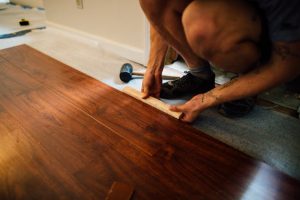
Minor scuffs, scratches, or fading on hardwood or laminate are normal. Carpets may thin in high-traffic areas or show slight discoloration.
Focus on whether the damage is from daily use or something more severe. Regular cleaning and timely repairs can help extend its life without overstepping into tenant damage territory.
Walls & Paint
Walls and paint are always subject to scuffs, marks, and color fading. This is especially true in rental properties where tenants may hang pictures or move furniture.
Just touch up small spots and focus on larger damages like holes or deep scratches. Keeping walls in good shape shows tenants you care, while also protecting your investment.
Want More Information About Your Property?
Appliances
Appliances work hard day in and day out, so some wear is inevitable. This includes things like worn knobs, minor scratches, or faded finishes.
A stove’s knobs may loosen with use, or a refrigerator’s shelves might get slightly cloudy. These issues don’t mean the appliance is damaged.
Regular maintenance, like cleaning and checking seals, can help keep appliances functioning well. If an appliance breaks due to misuse, that’s a different story, but everyday wear is your responsibility as a landlord.
Fixtures & Hardware
Cabinet handles, faucets, and light switches, get touched and turned countless times. Over time, they may show signs of use, such as loosening, tarnishing, or minor scratches.
You might notice that faucet handles feel looser or that cabinet hinges are a bit worn. As long as they still function properly, it’s just part of aging.

Tightening screws or polishing metal can help keep them looking sharp. If something breaks completely or is visibly abused, that’s when repairs may come out of a tenant’s security deposit.
Bathrooms & Kitchens
Bathrooms and kitchens see a lot of moisture, heat, and use. This can lead to things like staining in tubs, worn grout, or minor chipping on sinks.
For instance, hard water stains in showers or slight discoloration on sink enamel are expected. Grout may crack or wear down over time, especially in older units.
Regular cleaning and sealing can help prevent bigger issues. Focus on whether the damage is from aging or from neglect, as that’s the key difference in fair deductions.
Want to Know More About Us?
Outdoors & Grounds
The exterior of your property, including fences, decks, and landscaping, faces constant exposure to weather. Over time, wood may warp, paint may fade, and metal may rust.
A fence might show signs of sun exposure or a deck may develop slight cracks. Grass may thin in high-traffic areas, and outdoor furniture may lose its finish.
Regular upkeep, like resealing wood or repainting every few years, helps keep things looking good. If something is broken or damaged due to misuse, that’s when repairs may be necessary.
General Wear
General wear includes things like minor dents on furniture, worn upholstery, or dust buildup in hard-to-reach spots.

Keeping up with regular cleaning and maintenance helps preserve your property without being too strict. If something is beyond reasonable use, like a broken leg on a chair, that’s a different story, but everyday wear is just part of renting out a home.
What Is Not Considered Normal Wear and Tear?
While some wear is expected, certain types of damage go beyond normal use and become the tenant’s responsibility. Knowing the difference helps you enforce your lease terms fairly and protect your property from unnecessary harm.
Here’s a quick look at what generally falls outside normal wear and tear:
- Large holes in walls from furniture or improper mounting.
- Broken windows or doors due to force or carelessness.
- Stained or damaged carpets from spills, pets, or smoking.
- Scratched or gouged hardwood floors from moving heavy items without protection.
- Burn marks on countertops or appliances from misuse.
- Missing fixtures or hardware that were present at move-in.
- Excessive dirt or grime indicating poor cleaning habits.
If you spot any of these issues, it’s reasonable to address them through the security deposit or additional charges. Keeping detailed move-in and move-out photos helps support your claims and ensures transparency with tenants.
Ready to Get Started?
Bottom Line
At USA Property Management, we help landlords set clear expectations, protect investments, and handle disputes with ease. Whether you need expert move-in/out inspections, detailed documentation, or local expertise tailored to Las Vegas, NV, we’ve got your back.
Let’s work together to keep your properties profitable and your tenants happy. Reach out today to explore how our services can simplify your rental journey.
Sorry, the comment form is closed at this time.