 GET A FREE RENTAL ANALYSIS
 OFFICE LINE: 702-798-6565


02 Nov Nevada Fair Housing Act: An Overview
Key Takeaways
- There’s a broad range of protections: Nevada adds ancestry, sexual orientation, and gender‑identity/expression to the federal Fair Housing Act, creating ten protected classes (plus some extra local protections).
- The FHA applies to all facets of the landlord-tenant relationship: From marketing, to upholding lease agreements, to managing security deposits, landlords must remain consistent regardless of a resident’s personal characteristics.
- Compliance safeguards success: Following federal, state, and local fair‑housing laws reduces legal risk, preserves reputation, and promotes stable, long‑term tenancy that boosts ROI.
Successful landlords have certain traits in common, among them being the diligence to stay legally compliant with federal, state, and local fair housing laws. In Nevada, the fair housing laws are part of the Nevada Revised Statutes Chapter 118A, which all Nevada landlords must adhere to.
The Fair Housing Act (FHA) is a federal law that prohibits discrimination in most housing-related activities including the buying, selling, renting, and mortgage financing of a wide variety of housing types. As a landlord, it’s imperative that you understand your legal obligations to conduct your rental business fairly.
The FHA applies to almost every facet of the landlord-tenant relationship, including the language you use to market the unit, your method for choosing residents, the timing of rent increases, the way you go about evicting a difficult resident, and much more.
Knowing the FHA laws helps you avoid potential violations. Even if you don’t have ill intent to discriminate, ignorance of the law isn’t an accepted legal defense and the resulting penalties could be steep, impacting your bottom line and your reputation as a landlord.
This guide to Nevada’s Fair Housing Act by USA Property Management has got you covered! Read on for a comprehensive FHA overview and get one step closer to responsible rental property ownership.
Want to talk to one of our team members about your legal compliance needs?
What is the Fair Housing Act?
The Fair Housing Act is also known as Title VIII of the Civil Rights Act of 1968. Codified at 42 U.S.C. §§ 3601 – 3619. 2, it was enacted in 1968 and amended in 1988.
Despite some opposition by Americans and Members of Congress who argued that housing was a private transaction and the federal government had no right to interfere in private matters, the bill finally passed. This marked the last major piece of civil rights legislation of the era.
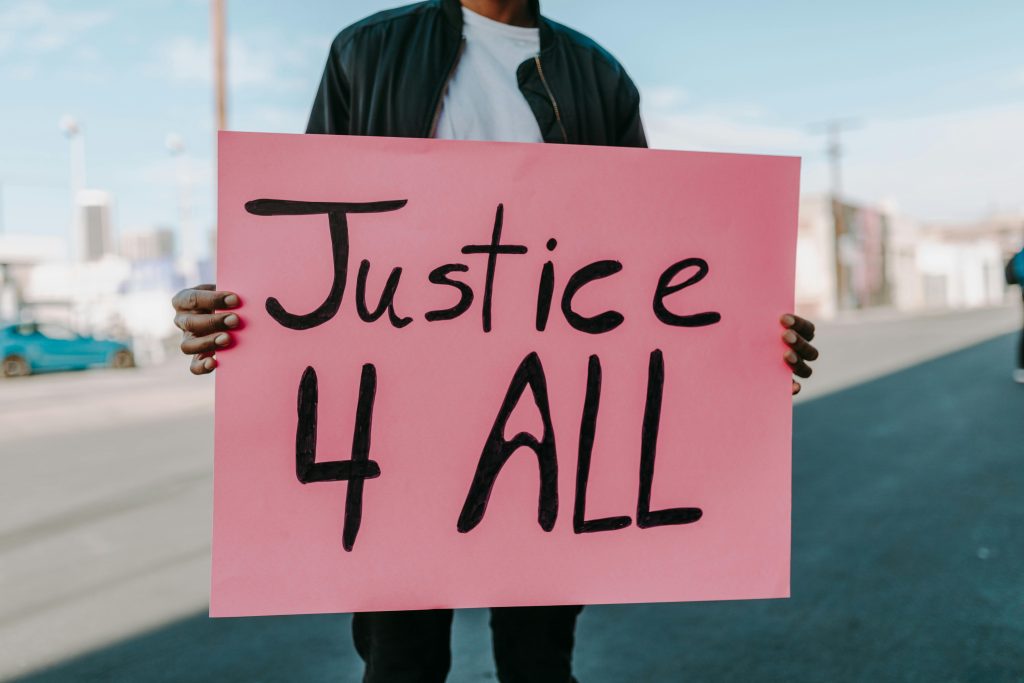
The Federal Fair Housing Act made it illegal to discriminate against people seeking housing who belong to any protected class, including disability, which is protected under federal law:
- Race
- Color
- Sex
- Religion
- Nationality
- Familial Status
- Disability
It applies to both public and private housing providers.
And it continues to do so today!
What is the Fair Housing Act in Nevada?
In addition to the seven protected classes under federal law, various local and state jurisdictions have passed legislation to add more specific protections. This is the case in Nevada, which has passed legislation to extend the list of protections provided at the federal level to include:
- Ancestry
- Sexual Orientation
- Gender Identity or Expression
As such, there are a total of ten protected characteristics in Nevada: race, sex, disability, familial status, color, nationality, religion, ancestry, sexual orientation, and gender identity or expression.
Some local jurisdictions have also passed their own legislation to protect additional classes of people seeking housing, so be sure to check whether there are any such local ordinances where your property resides.
The agency that oversees potential fair housing complaints in Nevada is the state’s Equal Rights Commission. Under the nevada fair housing law, a form of nevada state law that supplements federal protections, state fair housing laws and other state law protections extend to areas such as ancestry, sexual orientation, and gender identity or expression.
The Nevada Equal Rights Commission investigates bona fide claims of housing discrimination, and the U.S. Department of housing and urban development investigates bona fide claims as well. Nevada law may also allow remedies such as injunctive relief and actual damages. You may want to consider reaching out to an organization that supports Nevada renters rights to get a complete picture of state fair housing requirements.

How to Comply With the Fair Housing Act in Nevada
The following are some examples of ways that you should operate as a landlord who complies with federal and state laws when renting, advertising, and managing rental housing:
- Promptly inform every prospective resident when a unit is available, and treat all inquiries equally to support equal housing opportunities.
- In marketing materials, present your unit as being suitable for all qualified applicants, because Nevada and federal fair housing laws prohibit discriminatory language and discriminatory practices in advertising related to a protected class.
- When evaluating applications, apply the same qualification criteria to every applicant regardless of their personal characteristics, so you do not limit housing opportunities.
- Return or hold a resident’s security deposit in accordance with the lease terms and the law, treating all tenants fairly.
- Provide reasonable accommodations and modifications to disabled occupants and applicants whenever required, ensuring equal access to housing under federal fair housing laws.
- Conduct evictions only for legitimate, non‑discriminatory reasons that are clearly outlined in the lease and applicable law, and do not use lease enforcement to retaliate against tenants for exercising fair housing rights.
- Interact with residents respectfully, avoiding any coercion, threats, or pressure based on membership in a protected class, including race, color, sex, national origin, religion, familial status, disability, or similar traits.
Review your policies, train staff, and consult legal counsel when needed to reduce discrimination claims, including unintentional discrimination.
Avoiding discriminatory actions not only protects you and your investment from detrimental legal consequences, but is a fair and just way to operate your rental business responsibly.
Conclusion
Complying with the Fair Housing Act in Nevada, as well as other landlord-tenant laws, is crucial for your success as a rental property owner. You not only avoid potential legal trouble, but also build a strong landlord-tenant foundation that will reward you with consistent long-term lease renewals and optimal ROI.

If you have any questions about the way the Fair Housing Act functions for Nevada landlords, or if you need any other expert property management help, look no further than USA Property Management.
We’re a reliable and professional family-owned property management company operating in and around Las Vegas. We can guarantee you peace of mind and optimal returns on your investment. Get in touch to learn more!
Disclaimer: Please note that the information provided in this blog is intended for general guidance and should not be considered as a replacement for professional legal advice. It is important to be aware that laws pertaining to property management may change, rendering this information outdated by the time you read it.
We want to help manage your rental property.
Frequently Asked Questions About the Nevada Fair Housing Act
Does the Nevada Fair Housing Act Apply to All Rental Properties?
Nevada’s Fair Housing Law generally applies to residential rental properties and can cover both public and private housing providers, although certain limited exemptions may exist under state and federal law.
These exemptions depend on factors such as property ownership, occupancy, and whether a real estate professional is involved. Homeowner associations and public housing authorities may also be covered when an entity controls housing choice. Landlords should not assume their property qualifies for an exemption without reviewing the applicable requirements. Understanding which laws apply to a specific rental arrangement can help owners establish appropriate policies and avoid compliance issues.
What Should Nevada Landlords Include in Their Fair Housing Policies?
Landlords should establish written policies covering advertising, application evaluations, lease agreements, rent collection, maintenance, and other property management responsibilities.
These policies should reflect applicable federal, state, and local fair housing requirements across housing related transactions and housing related services, including rules against denying housing-related services based on protected traits. Consistent procedures also help owners document how rental decisions are made and identify potential compliance concerns.
Reviewing policies regularly is important, particularly when laws change or property management responsibilities are updated. Owners managing multiple properties should also ensure their procedures are applied consistently across their rental portfolio, and agencies administering housing funds must follow the same obligations when their role affects housing access.
What Records Should Landlords Keep to Support Fair Housing Compliance?
Maintaining organized rental records can help landlords demonstrate consistent business practices and respond to questions about property management decisions.
Useful documentation may include rental advertisements, written application criteria, application records, lease agreements, payment histories, maintenance communications, and correspondence regarding accommodation requests.
Records should be accurate, securely maintained, and handled in accordance with applicable privacy and retention requirements.
Establishing a consistent documentation process can also make it easier to review past decisions and identify areas where management procedures may need improvement.
What Is the Difference Between a Reasonable Accommodation and a Reasonable Modification?
A reasonable accommodation generally involves an adjustment to a rule, policy, practice, or service to provide equal housing access for a person with a disability.
A reasonable modification involves a physical change to a property. Under applicable fair housing laws, landlords may have responsibilities involving both types of requests. Nevada law also addresses modifications and assistance animals.
Owners should evaluate requests individually rather than automatically applying standard policies and should consult a qualified professional when requirements are unclear.
What Happens If a Nevada Landlord Faces a Fair Housing Complaint?
A housing discrimination complaint may be filed as an administrative complaint with the Nevada Equal Rights Commission (NERC) or with the U.S. Department of Housing and Urban Development, which has jurisdiction over housing discrimination matters involving activities such as rental advertising, leasing, and property sales.
Nevada generally allows housing discrimination complaints to be filed with NERC within one year of the alleged violation, and a person may have up to two years after the last discriminatory act to bring a court case. HUD’s regional office in San Francisco is the San Francisco federal agency that receives and investigates housing discrimination claims.
People may also file complaints or seek complaint intake services to learn about their fair housing rights. Landlords receiving a complaint should preserve relevant records, review the allegations carefully, and consider consulting a qualified attorney.
The outcome depends on the circumstances and applicable law, so owners should avoid assuming that every complaint will result in the same process or resolution.
No Comments