 GET A FREE RENTAL ANALYSIS
 OFFICE LINE: 702-798-6565


24 Aug Top Tenant Complaints and How to Solve Them
Key Takeaways
- Give every maintenance request a clear next step so owners can reduce uncertainty and identify delays before they become bigger problems.
- Review recurring complaints for patterns that may point to aging equipment, property conditions, unclear rules, or communication gaps.
- Document noise, parking, pet, and other lease-related concerns consistently so decisions are based on specific incidents rather than assumptions.
- Treat heating, cooling, hot water, pests, and other potentially serious property issues with urgency while following applicable Nevada requirements.
Tenant complaints are not automatically signs of a difficult renter. Often, they are early warnings that something about the property or tenancy needs attention.
A dripping pipe reported today could prevent water damage next week. A complaint about late-night noise may reveal an ongoing lease issue. Even a minor communication problem can become a larger source of frustration when residents repeatedly feel ignored.
For rental owners, the goal is not to eliminate every complaint. It is to create a reliable process for separating emergencies from routine concerns, solving legitimate problems, and documenting what happened.
USA Property Management shares several complaints landlords commonly encounter and practical ways to handle them.
Want More Information?
Maintenance Requests That Seem to Go Nowhere
The problem is sometimes the repair itself. A tenant who reports a leaking kitchen faucet on Monday may become increasingly irritated by Thursday if nobody confirms whether a plumber is coming.
Create a simple maintenance process. Record the request, determine its urgency, assign the appropriate person, and tell the tenant what happens next. Emergency conditions should receive immediate attention, while routine repairs can be scheduled appropriately.
When outside contractors cause delays, communicate that as well. A short update is better than leaving the resident wondering whether the request was forgotten.
Heating, Cooling, and Hot Water Problems
Loss of heat during cold weather, an air-conditioning failure during extreme temperatures, or an extended hot-water outage can quickly become serious. Applicable landlord responsibilities and repair timelines vary by jurisdiction, so owners should know local requirements.
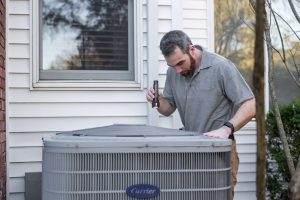
Preventive maintenance can reduce these disruptions. Service major equipment as recommended, replace filters when appropriate, and watch for signs that aging systems are becoming unreliable.
Consider an HVAC unit that requires three service calls in one summer. Continuing to authorize temporary repairs may eventually cost more, and create more tenant frustration, than evaluating whether replacement is warranted.
Pests That Keep Coming Back
A tenant who sees one ant may have a small problem. A tenant repeatedly finding cockroaches, rodents, or bed bugs may be dealing with something much larger.
Start by determining the extent and possible source of the issue. In multifamily properties, inspecting only the unit that reported the problem may not be enough because pests can travel between neighboring spaces.
Professional treatment may be necessary, along with repairs that address entry points, moisture, gaps, or other contributing conditions.
Residents may also be responsible for maintaining sanitation and preparing the unit for scheduled treatments. Communicate those requirements clearly rather than turning the situation into an argument over blame.
Want to Know More About Your Property?
Noise That Disrupts Daily Life
A one-time gathering is different from loud music every night at 1 a.m. Ask for useful details: when does the noise occur, how often does it happen, and where does it appear to originate?
If another tenant is responsible, review the lease and property rules before responding. A reminder may resolve the first incident. Repeated violations may require written notices or additional action consistent with the lease and local law.
Building conditions can also contribute. Slamming doors, loose equipment, poor sound insulation, or mechanical systems may create disturbances that have little to do with tenant behavior.
Parking and Shared-Space Disputes
Assigned parking spaces, guest vehicles, trash areas, hallways, laundry rooms, storage areas, and yards can all become points of disagreement when several households share a property.
Suppose one resident repeatedly allows guests to use another tenant’s assigned parking space. Informal requests may lead to recurring arguments.
A written reminder explaining the parking policy to the responsible resident creates a clearer record and keeps the landlord involved as the manager rather than forcing tenants to police one another.
Want to Know More About Us?
Pet Problems Between Residents
Pet-friendly rentals can attract a wider range of tenants, but they also introduce additional management concerns. Common complaints include persistent barking, waste left in common areas, property damage, or animals roaming where they should not.
Address the specific behavior rather than assuming every pet-related complaint requires the same response. Remind residents of applicable lease terms or community rules and document repeated problems.
Landlords should also understand that assistance animals may be subject to different legal requirements than ordinary household pets. Avoid applying standard pet policies automatically when accommodation rules may apply.
Privacy and Property Access Concerns
Tenants expect repairs to be completed, but they also expect appropriate notice when someone needs to enter their home.
Complaints can arise when landlords, maintenance workers, or vendors arrive unexpectedly or when tenants do not understand why access is required.

Except when applicable law allows otherwise, follow required notice procedures and communicate the purpose of the visit. Give contractors clear instructions about access as well.
For example, telling a tenant that a technician will arrive “sometime this week” makes planning difficult. Providing the scheduled day and a reasonable arrival window creates a more professional experience.
Communication Complaints Often Have Simple Solutions
Sometimes the tenant’s complaint is not about the original problem anymore. It is about how the problem was handled.
Owners do not need to be available every minute, but residents should know how to report routine issues and what to do during an emergency.
Set expectations early. Provide the preferred contact method, explain maintenance procedures, and establish an emergency protocol. Keep important conversations and repair records organized rather than relying on memory.
Most importantly, avoid promising a result you cannot guarantee. If a replacement part will take a week to arrive, explain the delay and any temporary solution instead of repeatedly saying the repair will happen “soon.”
Turn Complaints Into Better Property Management
Tenant complaints can reveal repair needs, unclear policies, or recurring management issues. Addressing the cause can help prevent future problems and protect the tenant relationship.
Partner with an experienced property management team to handle maintenance, resident concerns, lease enforcement, and communication. Contact USA Property Management today.
Ready to Get Started?
Frequently Asked Questions
How Can Landlords Decide Which Tenant Complaints Need Immediate Attention?
Conditions involving essential services, significant water intrusion, or other health and safety concerns may require prompt attention, while less urgent repairs can generally be scheduled.
Nevada law establishes specific landlord obligations concerning habitability and certain essential services, so owners should evaluate the circumstances under current requirements rather than relying on a one-size-fits-all response.
What Should Landlords Document When Handling Repeated Complaints?
Keep a factual record of the complaint, when it was received, the property condition involved, actions taken, vendor communications, notices provided, and the outcome.
For recurring issues, linking related records can help identify patterns, such as repeated equipment failures or continuing disputes over shared spaces. Avoid subjective descriptions of a resident and focus instead on observable facts and lease or property-rule requirements.
When Should A Landlord Consider Repairing Versus Replacing An Aging System?
Consider the frequency of failures, the condition and age of the equipment, the cost of repeated repairs, the likelihood of another breakdown, and the potential disruption to the rental property.
For Las Vegas rental properties, owners should give particular attention to systems that face substantial seasonal demand, including air conditioning. The right decision depends on the equipment, property, and budget rather than a universal replacement rule.
What Are The Nevada Rules For Entering A Rental Property To Address A Complaint?
Nevada law generally permits a landlord to enter a dwelling for purposes such as inspections, necessary or agreed repairs, services, or showing the property, but the landlord generally must provide at least 24 hours’ notice and enter at reasonable times during normal business hours.
Emergency entry is treated differently. Owners should also avoid abusing the right of access or using entry in a harassing manner. Because the circumstances and applicable exceptions matter, landlords should follow the current statute and their rental agreement when arranging access.
How Can Professional Property Management Help With Tenant Complaints?
A property management company can provide an organized point of contact for maintenance requests, resident communications, lease-related concerns, and owner updates.
USA Property Management coordinates necessary repairs, conducting follow-up inspections, maintaining property information, handling leasing activities, and collecting rent and security deposits.
Let’s Get Started!
Sorry, the comment form is closed at this time.