 GET A FREE RENTAL ANALYSIS
 OFFICE LINE: 702-798-6565

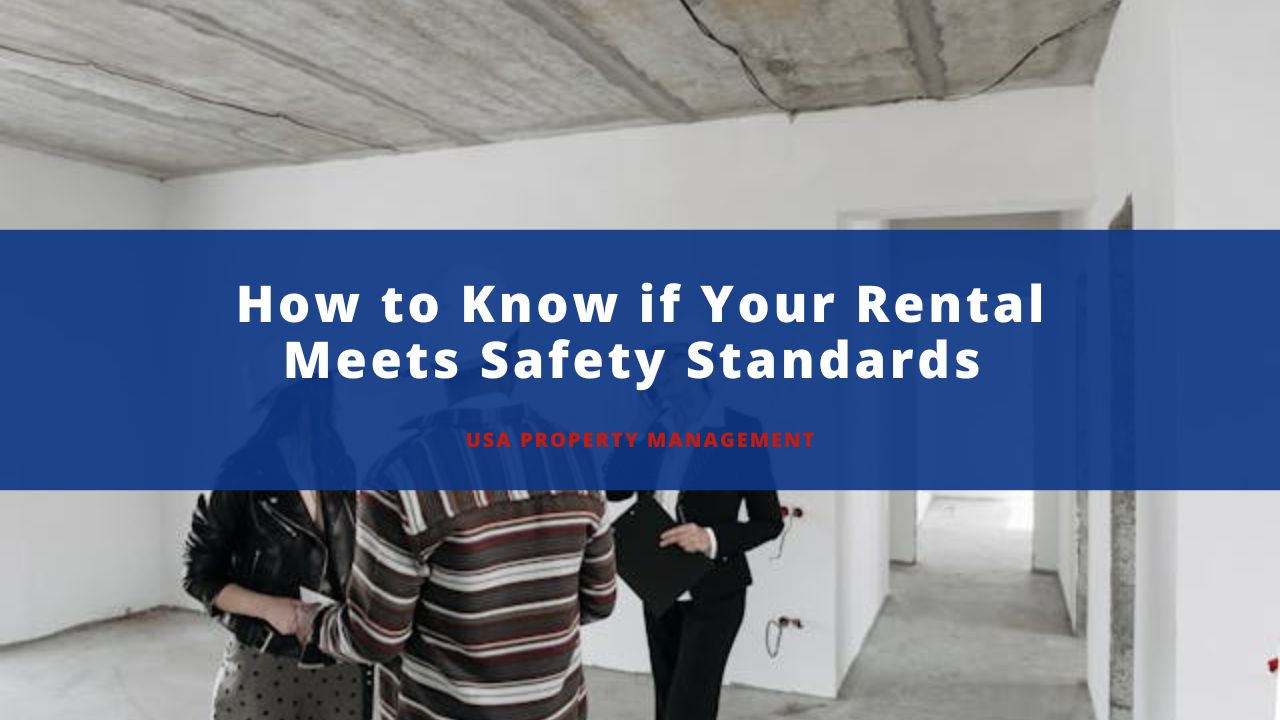
19 Mar How to Know if Your Rental Meets Safety Standards
Key Takeaways
- Property owners must ensure rentals meet safety standards to protect tenants, reduce liability, and stay compliant with regulations.
- Structural integrity, fire safety, electrical, plumbing, and ventilation are the main areas that determine a property’s safety.
- Routine checks and timely repairs help catch issues early and avoid costly damage.
- Working detectors, secure locks, proper lighting, and hazard-free walkways all contribute to a safe living environment.
Ensuring that a rental property meets safety standards is a fundamental responsibility for property owners. Safe housing protects residents, reduces liability risks, and helps maintain compliance with local housing regulations.
Safety standards generally focus on structural integrity, fire protection, electrical systems, plumbing functionality, and overall habitability.
Property owners who conduct regular inspections and address issues promptly can maintain safe living environments while preventing costly problems later.
Understanding the key areas that determine rental safety allows property owners to evaluate whether their property meets acceptable standards.
USA Property Management goes over key aspects of safety standards for your rental property below.
Want More Information on Safety Standards?
Structural Safety and Property Condition
Structural safety begins with the condition of the building itself, including foundations, walls, ceilings, and stairways. Cracks in foundations, sagging floors, or unstable railings may indicate structural problems that require professional evaluation.
Staircases should have secure handrails, steps should remain even and stable, and balconies or elevated walkways must support normal residential use. Exterior areas such as porches and decks should also be inspected regularly to ensure they remain safe for residents.
Entry doors should close properly, lock securely, and provide protection from outside access. Windows should open and close easily in case they are needed as emergency exits.
Maintaining structural integrity helps ensure that residents can occupy the property safely throughout the lease period.
Fire Safety Requirements
Working smoke detectors provide early warning in the event of a fire and are typically required in sleeping areas and common spaces.
Carbon monoxide detectors are also important, particularly in properties that use gas appliances or heating systems. These devices help detect dangerous carbon monoxide levels before they become life-threatening.
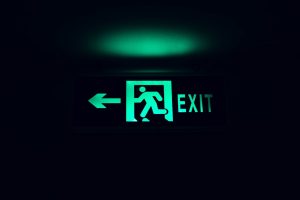
Fire exits should remain accessible and unobstructed. Hallways, stairways, and exit paths must allow residents to leave the property quickly during an emergency. In multi-level properties, windows large enough for emergency exit may also serve as secondary escape routes.
Fire extinguishers can provide additional protection in certain rental properties, particularly in kitchens or common areas.
Regular testing of smoke and carbon monoxide detectors ensures these systems remain operational and ready for use.
Electrical System Safety
Outlets should function properly and remain securely attached to walls. Exposed wiring or damaged electrical panels should be addressed immediately. Circuit breakers should operate correctly and provide protection against electrical overload.
In kitchens, bathrooms, and outdoor areas, ground fault circuit interrupter (GFCI) outlets are commonly required because they help prevent electrical shock in areas where water is present.
Electrical inspections help confirm that wiring, panels, and outlets remain in safe working condition.
Want to Know More About Your Property?
Heating, Cooling, and Ventilation
Furnaces, heating units, and ventilation systems should be inspected regularly to ensure they operate properly.
Bathrooms and kitchens should include ventilation systems that reduce moisture buildup. Excess moisture can contribute to mold growth and structural damage over time. Heating and ventilation systems that operate consistently help maintain a safe and comfortable living environment.
Plumbing and Water Systems
Plumbing fixtures such as toilets, faucets, and drains should operate correctly without leaks or blockages. Water heaters should maintain appropriate temperatures while remaining safely installed and ventilated.
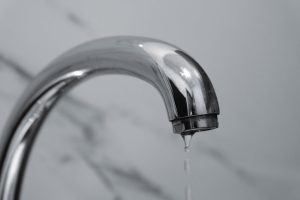
Leaks under sinks or behind appliances can cause structural damage if left unaddressed. Regular inspections help identify minor plumbing issues before they develop into larger repairs.
Adequate Lighting and Visibility
Hallways, staircases, entryways, and exterior walkways should be well lit to reduce the risk of accidents. Motion lighting systems may help illuminate areas when someone approaches the property.
Burned-out bulbs or malfunctioning fixtures should be replaced promptly. Adequate lighting helps residents move safely through the property and reduces the likelihood of injuries.
Safe Flooring and Walkways
Floors, carpets, and walkways must remain stable and free from hazards. Loose flooring materials, torn carpeting, or uneven surfaces can create tripping risks.
Entryways, stairs, and hallways should remain clear of obstructions so residents can move through the property easily. Outdoor walkways should also be maintained to prevent slipping hazards during wet conditions.
Want to Know More About Us?
Security Measures and Resident Protection
Entry doors should include functioning locks, and windows should close securely. Deadbolt locks provide an additional layer of protection in many residential properties.
Outdoor areas such as parking spaces, pathways, and entrances benefit from adequate lighting and visibility.
These features discourage unauthorized access and improve overall safety. Security measures do not need to be complex, but they should provide residents with reasonable protection and privacy.
Regular Inspections and Maintenance
Routine inspections help property owners confirm that safety standards remain intact. Periodic walkthroughs allow owners or property managers to identify potential hazards before they become serious issues.

Inspections may include reviewing smoke detector functionality, checking plumbing systems, examining electrical outlets, and evaluating structural components. Maintenance records also help track repairs and demonstrate responsible property oversight.
Regular maintenance ensures the property continues to meet safety expectations throughout the lease period.
The Value of Professional Property Management
Maintaining rental safety standards requires consistent monitoring, organized maintenance coordination, and clear communication with residents. Property owners must ensure that systems remain operational and that repairs are handled promptly.
Professional management also helps property owners stay informed about local housing requirements and maintain properties in compliance with applicable standards.
Ready to Get Started?
Conclusion
A safe rental property requires attention to structural integrity, fire protection, electrical systems, plumbing functionality, and general property maintenance.
Property owners who evaluate these areas regularly can identify potential issues early and maintain safe living conditions for residents.
Routine inspections and prompt repairs support both resident safety and property value. With organized management practices and professional oversight, property owners can ensure their rental properties meet safety expectations while providing a secure environment for residents.
USA Property Management helps property owners maintain safe rental environments through structured inspections and maintenance oversight. Our team coordinates repairs, monitors property conditions, and ensures that safety concerns are addressed quickly.
No Comments